
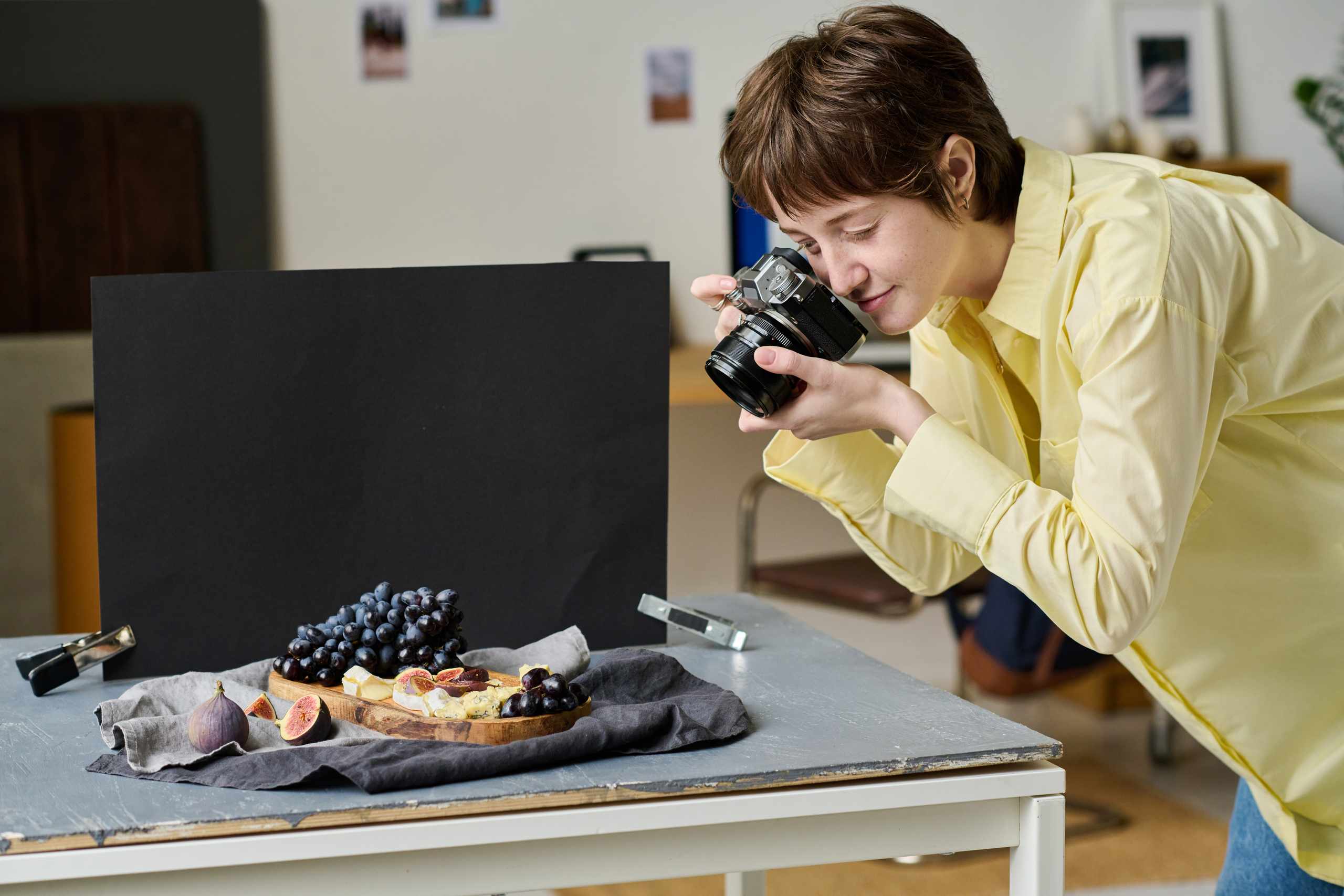
The random nature of photography can be frustrating for a beginner; the light changes from room to room, and from window to window, it’s often too bright; the images you see in your mind aren’t turning out the way you expect on the camera’s screen or your computer screen. The best way to learn photography is to focus on one element that becomes stable, rather than trying to learn all elements all the time. For a new photographer, the most stable element to concentrate on is probably composition. Try concentrating only on composition for a short period of time. Go out one day and take a bunch of pictures trying to pay attention only to how you compose the pictures. Don’t worry about whether the pictures are in focus or how they turn out in your final print. Pay attention only to your framing decisions. By keeping one element consistent, you are more likely to see what works and what doesn’t in the other elements.
Another common mistake that is easy to make without realizing you’re doing it is looking at a photo and asking yourself “Do I like this picture?” That’s a bad question because the answer can be so broad and vague. A good question to ask is “What’s going on in this picture?” Is the subject of the image obvious? Is something so bright in the image that I am taking my eyes off of the subject? Is it too busy? Or does it feel cramped? The more specific you can be, the better you can make an informed decision about how to improve the picture. A great way to get good at photography is to know how to interpret the pictures you already have. So if a picture looks bad, don’t just delete it and throw it away. Retake the picture, and this time, change just one aspect of it. Get closer. Go further away. Raise the camera up. Put the camera on the ground. Move the subject. Take one less distracting element out of the picture. Taking one step back, changing one angle, or changing one aspect of the picture’s composition will tell you a whole lot more than just taking twenty pictures at random.
Fifteen minutes is enough time to practice a specific aspect of photography. Spend the first five minutes of your practice just looking at the environment, and no photos. Think about what is beautiful, what’s ugly, what’s boring. Walk through one room or around one block, but don’t take your camera out of your bag. Spend the next five minutes taking six photos of a single subject. Make each image a distinct, intentional composition; take one picture that’s closer in, one picture that’s further back, one picture taken from above, one from below, and two from eye-level. Don’t think about any other variables except for how you want your subject to look. Then, spend the last five minutes reviewing your work. Pick the best photograph and explain to yourself, or to someone else, why that one photograph is the best. You don’t have to over analyze, but it’s best to say it out loud so it stays with you and you’re forced to justify your decision. This process forces you to slow down and makes you consider why each decision has meaning, instead of just snapping your shutter randomly.
When you are just learning how to take pictures, there is a very common tendency to just shoot randomly. You’ll get some great shots mixed in with a lot of bad ones. But because it’s random, you can never really understand where to improve your work. You can’t pinpoint what you did right, and the good pictures may even look better because of luck rather than your technical skill. If the pictures you are taking are random, you’re going to get random results. It’s frustrating to take a hundred pictures and only like five or ten of them. Instead, focus on one element for each practice session; it’s better to have a small group of good-looking pictures than to have many pictures of varying qualities. Practice photographing shadows. Spend one week photographing a series of shadows.
Photograph different windows and doorways, and see how the shadows look at different times of the day. Try to photograph hands. Take pictures of a child’s hands holding a piece of fruit, your friend’s hand holding a camera, your own hand, holding a key, and so on. Take pictures of only your hands, of your dog’s paws, or of your shoes. By narrowing the theme of your photo, you can force yourself to notice common elements like what backgrounds you are taking the most photos in, what angle you tend to shoot from, and if you’re ever getting close enough to your subject. It’s important to set a very specific goal to improve your photography, because a goal such as “I want to take good pictures” is so vague, that you really have no way of measuring your own progress.