
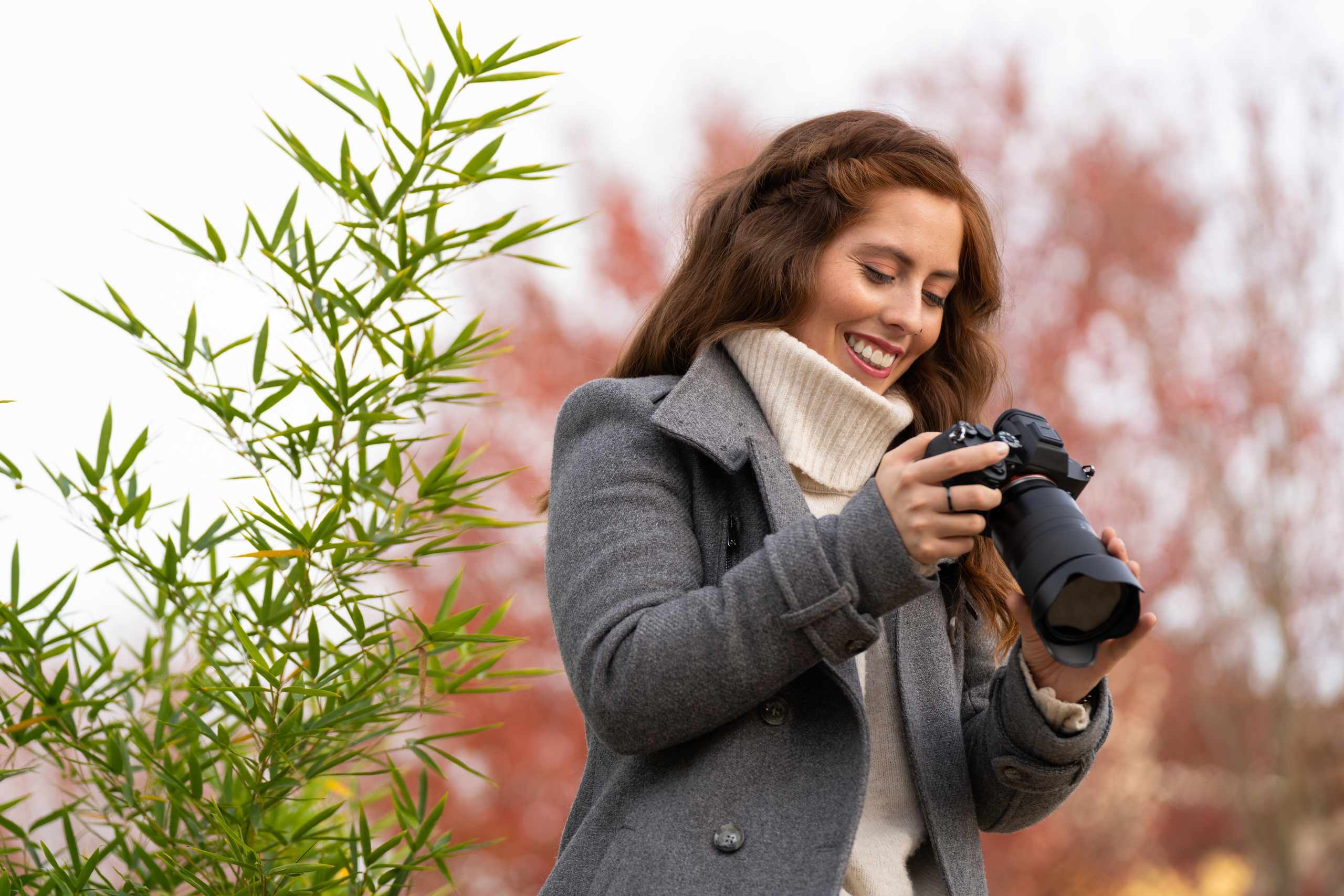
Sometimes the camera is fun to carry. Other times, it feels like an encumbrance before you exit the room. You might think you’re undisciplined as a result, but often you’re lacking an appropriate routine. Photography is mastered through repetition, and repetition is more easily achieved by keeping practice blocks so small they can start without resistance. A routine doesn’t have to be grandiose. It does have to be specific, reproducible, and visible. Rather than deciding what you’ll shoot on any given day, pick a particular theme and stick to it for one week. It could be reflections, doorways, hands, shadows, or whatever is next to your window. By limiting your subject, you’ll hesitate less because the subject has been chosen.
You will no longer be debating what to shoot; you’ll only be showing up to see more. Many beginning photographers have a hard time because they wait for the optimal conditions before getting started. They wait until the light is pretty, until the location is worth visiting, or until the entire day is open to them. These things cause delays between sessions, and they can cause visual memory to deteriorate. You can counter these things by basing your routine around real conditions, rather than the ideal conditions that you wish you had. Use whatever room you have. Use whatever walk you will take. Use the ten minutes before dinner, the cloudy afternoon, the kitchen table, the bus stop, the same corner you visit. Photography flourishes with the eye when the eye can function effectively in mundane lighting and in familiar environments.
A routine anchored by daily life is durable because it has fewer built-in excuses. I recommend you practice like this for a week: take your camera for 15 minutes. Take just one subject. Set just one goal. During the first five minutes, look at what you intend to photograph but do not press the button. Move at a slow pace, observe the quality of the light, then determine what to photograph. During the next five minutes, shoot a total of six frames, keeping the total low so that you have to deliberate each one. During the final five minutes, review what you shot and select the single image that best represents your intent. Finally, write a short reflection on why the image worked or why it didn’t. That last step can be crucial, because it takes what should have been just a five-minute session and expands it into a proper block of practice by forcing the photographer to link image selection with visual clarity.
As motivation fluctuates, it’s best to simplify your routine rather than stop altogether. When venturing outdoors feels like too much, simply try photographing a single subject as its light changes across three days. When editing is draining, try reviewing nothing but composition for the session. When your images feel lackluster, replace the goal of “make a good image” with a goal such as “seek out three great shadows” or “find one scene and frame it in five different ways.” Such a tactic lets the routine survive. It’s not a matter of making yourself work hard every day; it’s a matter of keeping the thread intact long enough to see results. Photography responds better to a consistent pace than it does to periodic efforts, and a consistent pace is achieved more when future tasks seem to be manageable than it is when they seem to be significant.
It is essential, as you build a routine, to realize that not every practice block will turn up an image that you wish to save. This is fine. Certain sessions are best used to catch mistakes in your vision sooner. Certain sessions are for realizing that you shoot from too far away. Certain sessions are for noticing how a flat, midday sky affects the subjects you photograph. None of these sessions has been wasted; they simply form the groundwork for producing better pictures at later dates. With practice, consistency creates a pace that teaches the eye to ignore distractions, spot better light more quickly, and frame shots with fewer missteps. A routine starts as a framework for you to operate within, but with time it becomes a habit of vision that can outlast the camera, too.